4 inches is equal to exactly 10.16 centimeters or 101.6 millimeters. It is a common measurement used in the imperial system and can be found in many everyday objects.
Many people see inches while shopping online, measuring furniture, buying tools, or comparing product sizes. However, it is not always easy to picture what 4 inches actually looks like without a ruler.
The good news is that many common objects are close to 4 inches long. By comparing these objects, you can quickly understand how big 4 inches is, what 4 inches looks like, and how long 4 inches feels in real life.
For example, 4 inches is close to the width of a smartphone, the length of a kitchen sponge, or the size of a standard coaster.
In this complete guide, you will learn:
- what 4 inches means,
- how long 4 inches is in centimeters,
- where it is used,
- how to estimate it without a ruler,
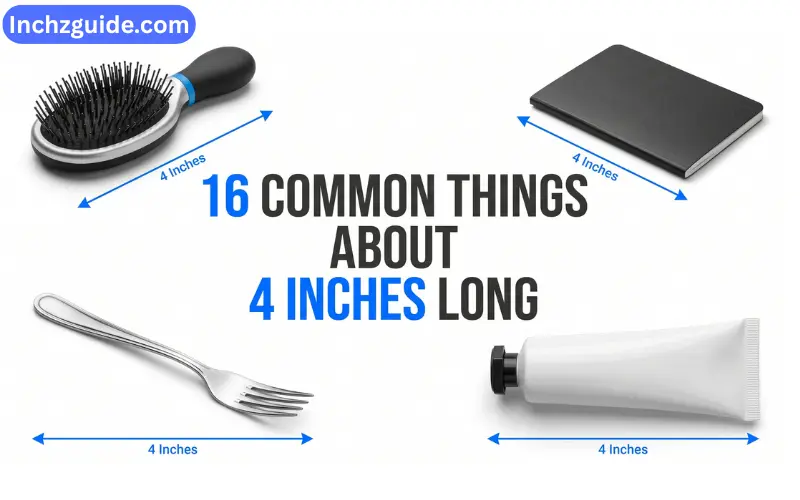
- and 16 real-life objects that are about 4 inches long.
How Long is 4 Inches?
4 inches equals:
| Measurement Unit | Value |
| Inches | 4 in |
| Centimeters | 10.16 cm |
| Millimeters | 101.6 mm |
| Feet | 0.333 ft |
| Meters | 0.1016 m |
4 inches is about the size of:
- a kitchen sponge,
- a smartphone width,
- a standard coaster,
- or a butter knife.
This measurement is small enough to fit comfortably in your hand but large enough to notice easily.
Quick Conversion Table of 4 Inches
| Unit Type | Value |
| Inches | 4 in |
| Centimeters | 10.16 cm |
| Millimeters | 101.6 mm |
| Feet | 0.333 ft |
| Meters | 0.1016 m |
This table helps you quickly convert 4 inches into other measurement systems.
What is 4 Inches?
Four inches is a unit of length in the imperial measurement system.
The inch is commonly used in the United States for measuring products, furniture, electronics, tools, and construction materials.
One inch equals exactly 2.54 centimeters. Therefore:
This means 4 inches equals 10.16 centimeters.
Although many countries use the metric system, inches remain one of the most widely used measurements in everyday life.
Why Learning 4 Inches is Important
Learn 4 inches can help in many daily situations.
Many online stores display product sizes in inches. If you know how long 4 inches is, you can better understand product dimensions before buying.
Knowing this measurement is useful for:
- shopping online,
- DIY projects,
- home improvement,
- school activities,
- arts and crafts,
- and furniture planning.
Even small measurements can make a big difference when accuracy matters.
How Big is 4 Inches?
Many people ask:
“How big is 4 inches?”
Four inches is roughly:
- the width of many smartphones,
- the size of a drink coaster,
- the length of a compact hairbrush,
- or the width of a small notebook.
It is slightly wider than most adult palms and can easily fit inside a pocket or small bag.
What Does 4 Inches Look Like?
If you do not have a ruler nearby, imagine:
- a kitchen sponge,
- a TV remote width,
- a coaster,
- or a small eyeglasses case.
These common items provide a quick visual reference for understanding 4 inches.
Where is 4 Inches Used in Daily Life?
Electronics
Many gadgets and accessories include parts that measure around 4 inches.
Examples include:
- smartphone widths,
- portable electronics,
- and small accessories.
Furniture
Furniture makers often use inch measurements when designing handles, decorative parts, and supports.
Kitchen Tools
Many kitchen items use dimensions close to 4 inches.
Examples include butter knives and kitchen sponges.
Office Supplies
Notebooks, calculators, and small organizers often measure around 4 inches.
DIY and Crafts
Craft projects often require accurate small measurements for better results.
16 Real-Life Objects That Are About 4 Inches Long
Let’s break down how big 4 inches actually is, and it becomes much easier when you compare it with familiar real-life objects. At this size, most items are small, compact, and easily fit in the palm of your hand, making them simple to visualize without any measuring tools. These everyday examples help you quickly estimate 4 inches in daily life, whether you are checking product sizes online, working on small DIY tasks, or organizing personal items.
1. Butter Knife
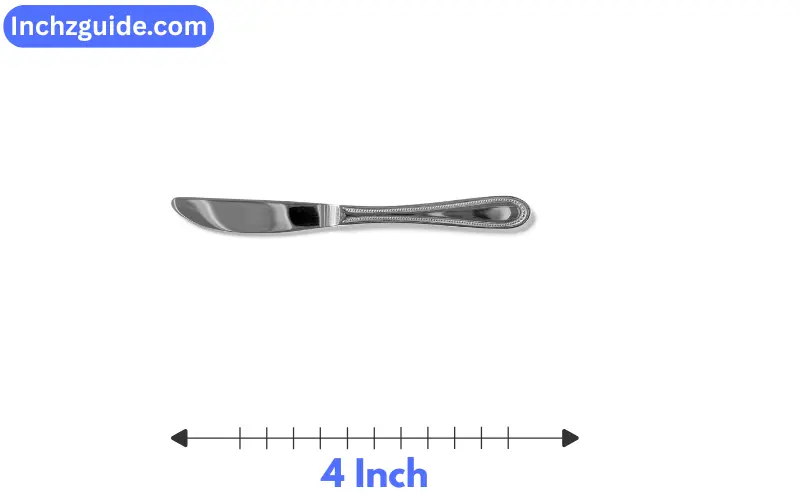
A standard butter knife is often around 4 inches long.
It is one of the easiest kitchen items to compare with.
2. Smartphone Width
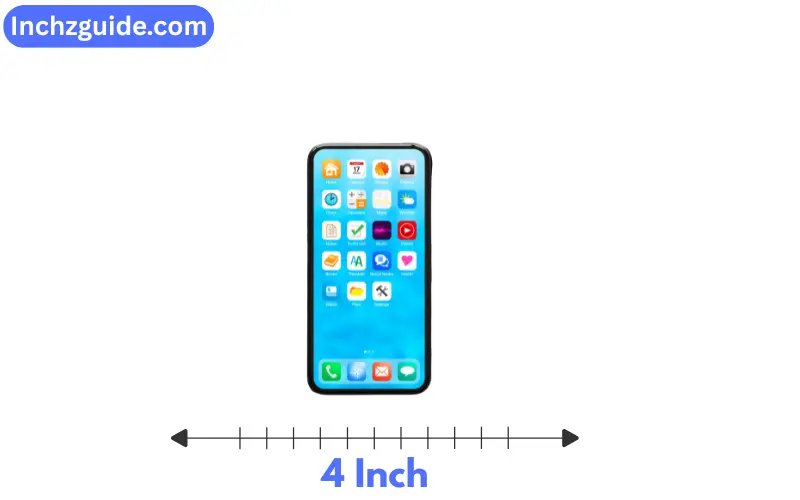
Many smartphones measure close to 4 inches across their width.
This makes them excellent size references.
3. Standard Coaster
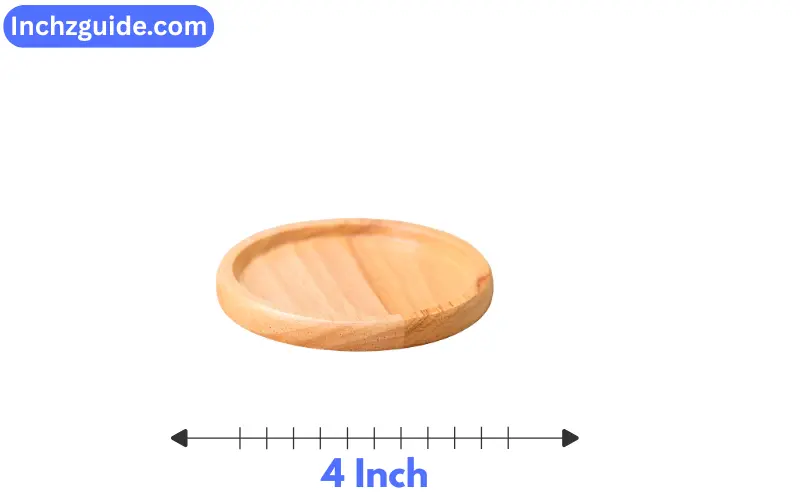
A typical drink coaster is usually around 4 inches wide.
Most homes have coasters available for comparison.
4. Kitchen Sponge
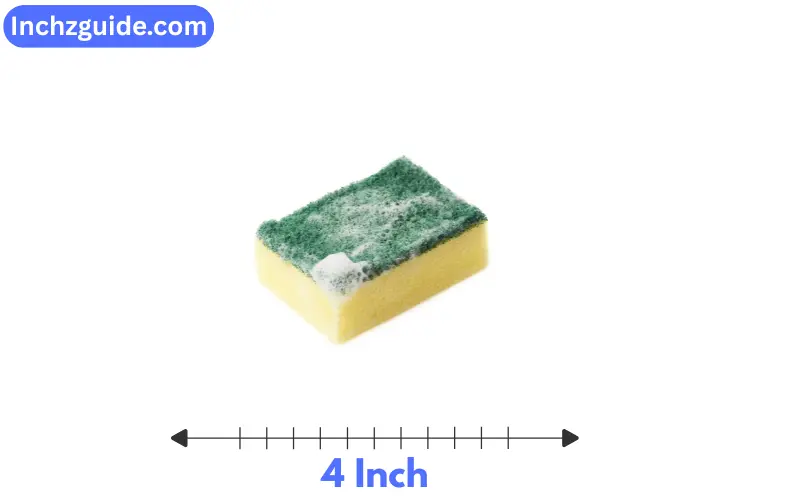
A standard kitchen sponge often measures about 4 inches long.
This is one of the most common examples.
5. Compact Hairbrush
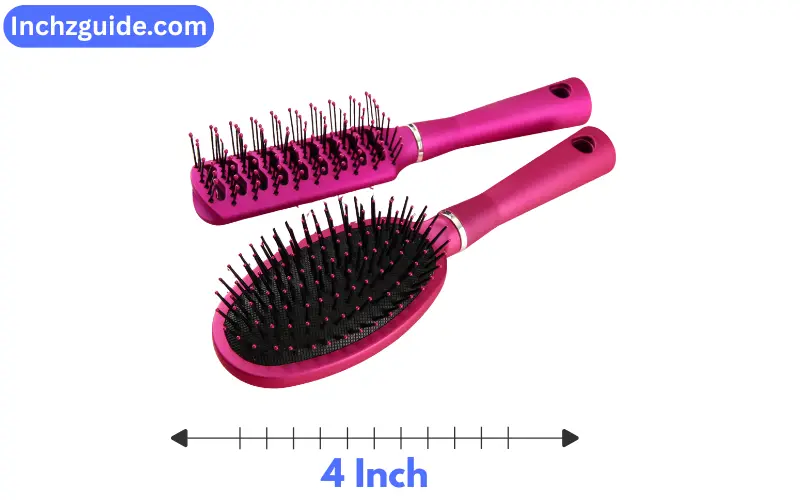
Small travel hairbrushes are usually around 4 inches long.
They are designed to fit easily into bags.
6. Pocket Notebook Width
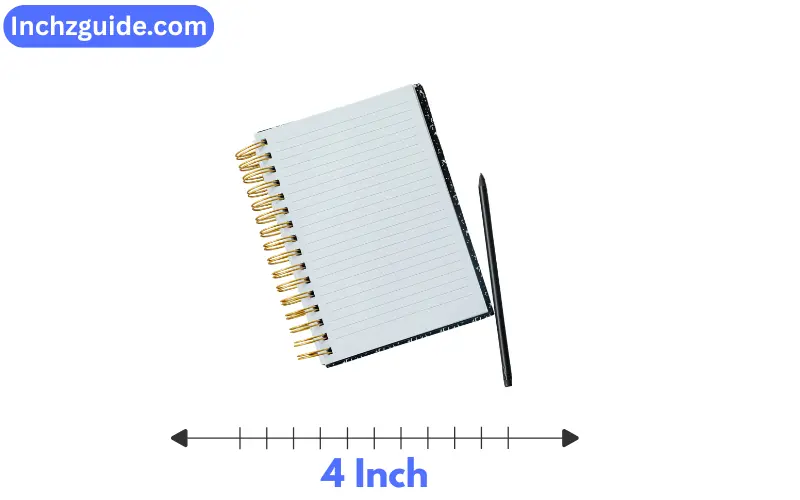
Many pocket notebooks are approximately 4 inches wide.
Their compact size makes them useful references.
7. Dessert Fork
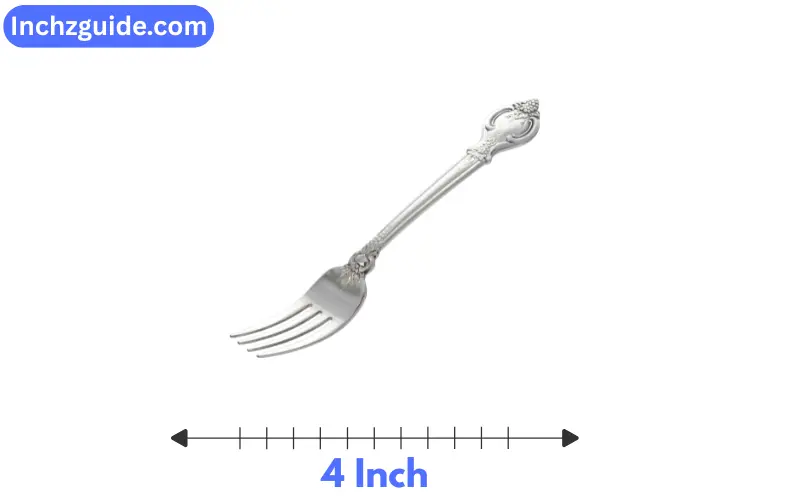
A dessert fork can measure close to 4 inches long.
Smaller dining utensils often use compact dimensions.
8. Hand Cream Tube
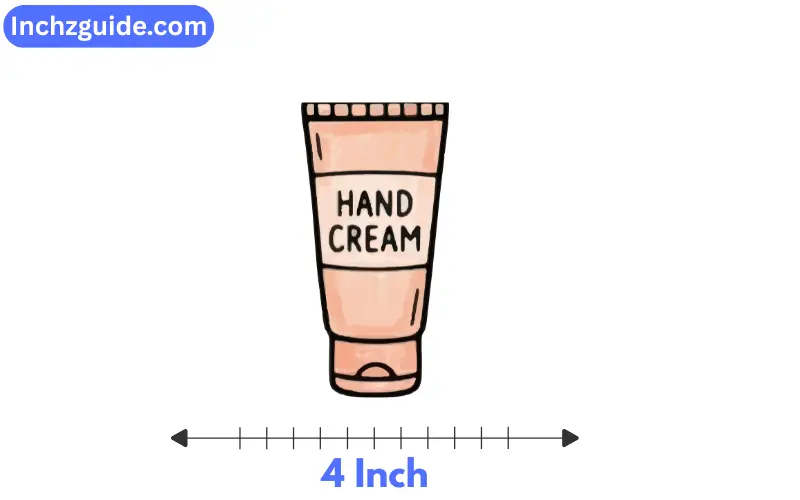
Travel-size hand cream tubes are often around 4 inches long.
They are designed for portability and convenience.
9. TV Remote Width
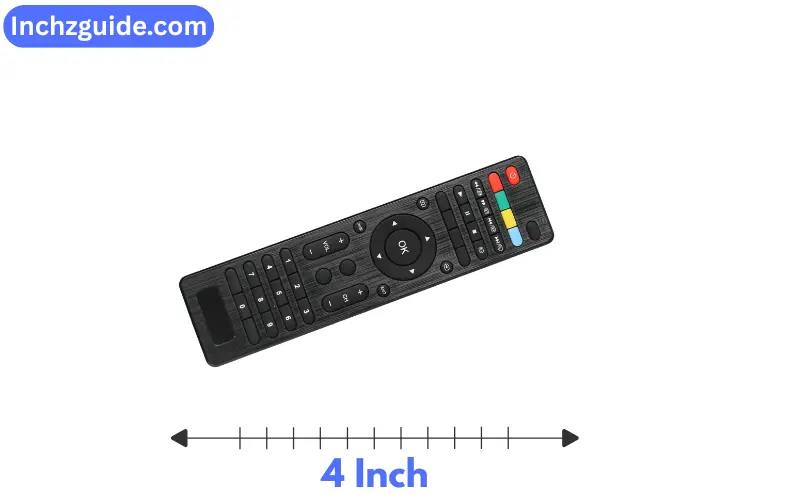
The width of many TV remotes is close to 4 inches.
This makes them easy visual examples.
10. Sandwich Cookie Pack
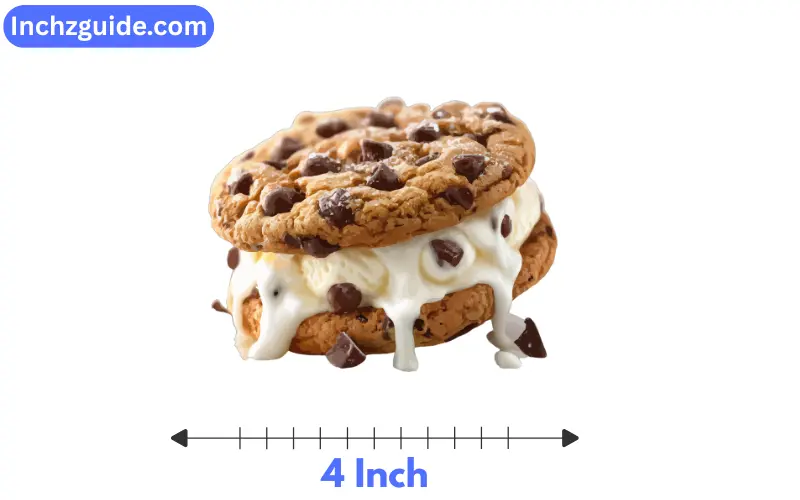
Small cookie snack packs often measure around 4 inches long.
Food packaging provides useful size comparisons.
11. Small Plant Pot Diameter
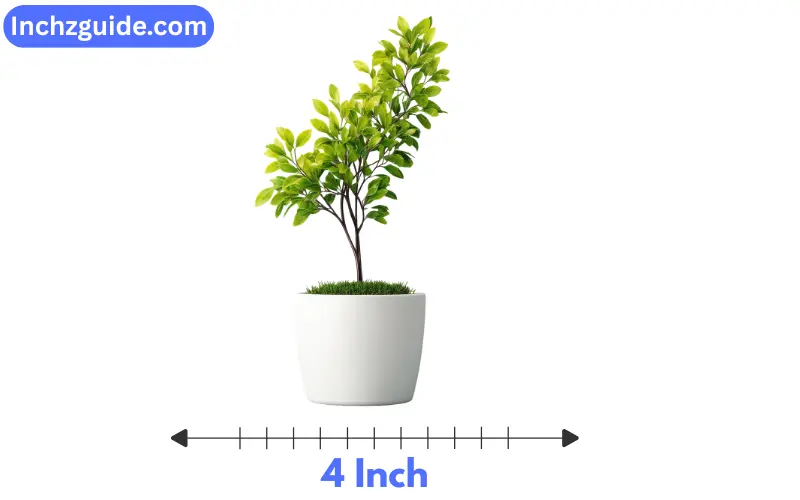
Many decorative plant pots have a diameter close to 4 inches.
These are common household items.
12. Travel Sewing Kit
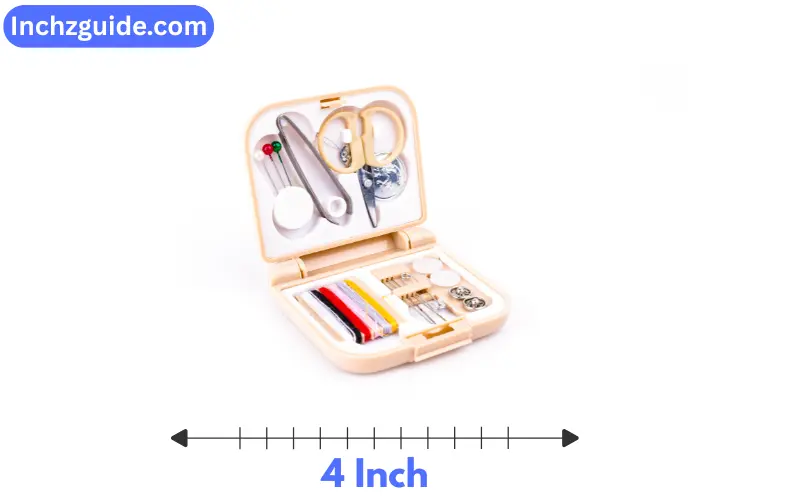
Compact travel sewing kits are often around 4 inches wide.
They are designed to fit easily into luggage.
13. Eyeglasses Case Width
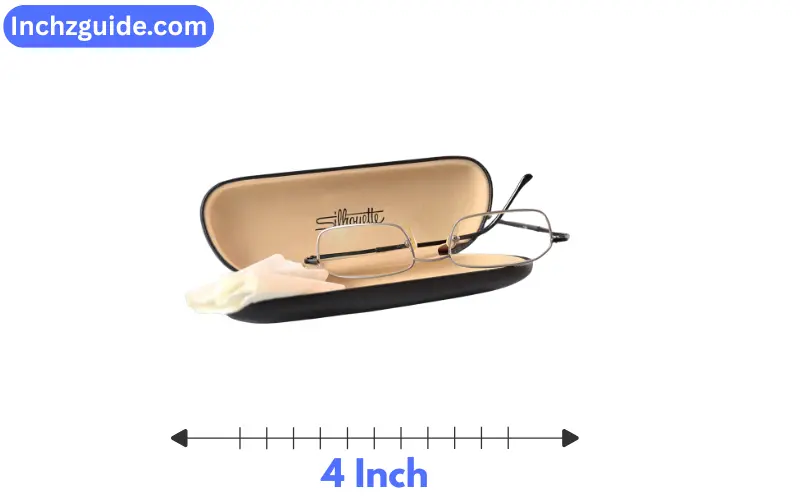
Some compact eyeglasses cases measure around 4 inches wide.
This makes them a practical everyday reference.
14. Compact Charging Brick Cube
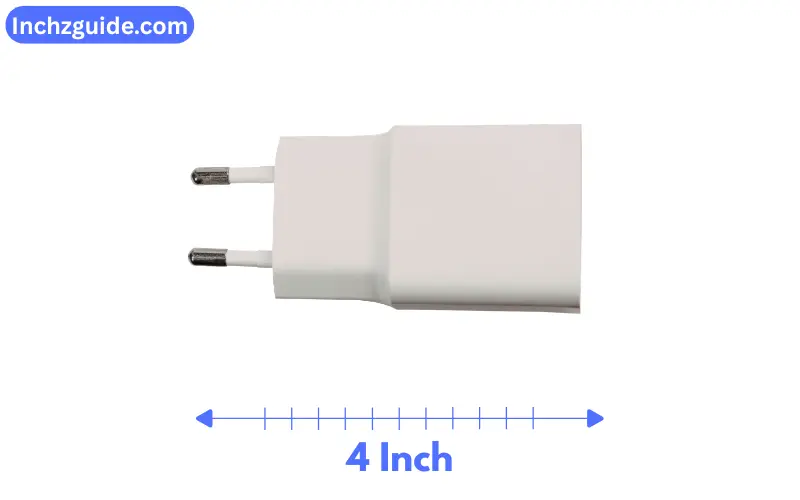
A small mobile charger adapter.
Used for charging phones and devices.
Its cube shape is suitable for small size estimation
15. Travel Size Soap Cube
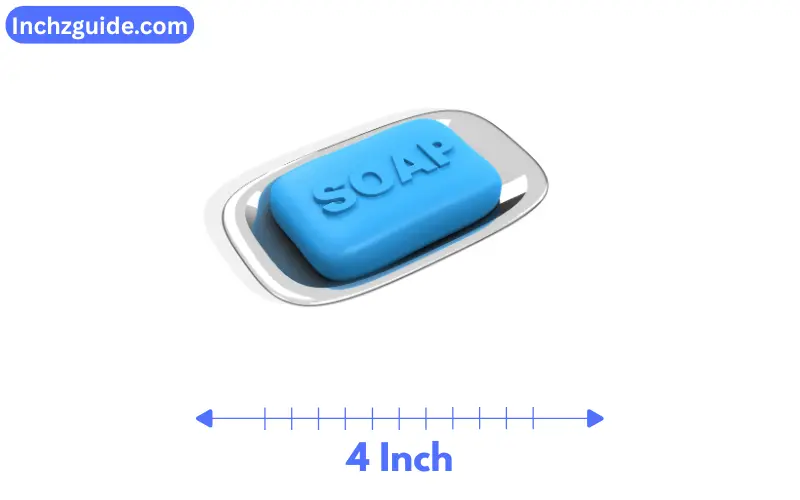
A small soap piece used for travel kits.
Common in hotels and personal bags.
Its compact block shape helps visualize small length.
16. Micro Measuring Strip
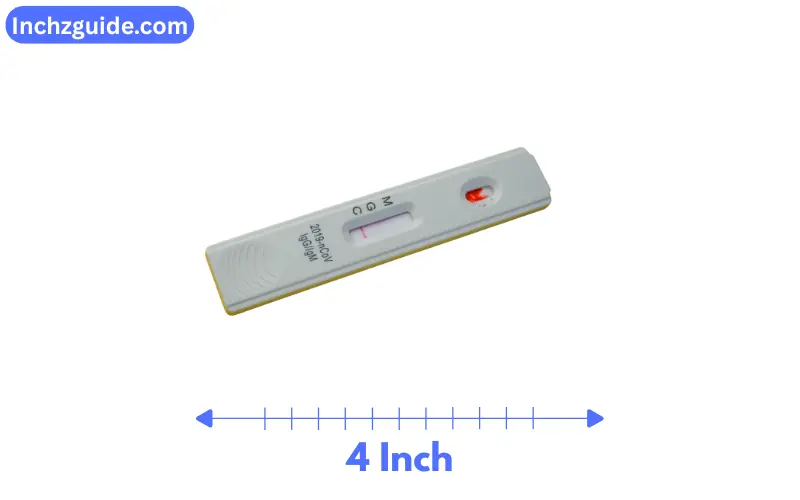
A small plastic measuring strip used in crafts.
Helps in quick size marking.
Its short ruler-like form is close to 4 inches.
How to Measure 4 Inches Without a Ruler
You can estimate 4 inches by comparing it with:
- a kitchen sponge,
- a coaster,
- a smartphone width,
- or an eyeglasses case.
These objects help you estimate measurements quickly without special tools.
Difference Between Inches and Centimeters
| Feature | Inches | Centimeters |
| System | Imperial | Metric |
| Exact Value | 2.54 cm | Base metric unit |
| Common Usage | USA | Worldwide |
| Main Use | Products & tools | Science & education |
Both systems are useful, but centimeters are more common globally.
Advantages of Using Inches
- Easy to understand for small measurements
- Commonly used in furniture and electronics
- Helpful for product sizing
- Useful in construction and DIY projects
Disadvantages of Using Inches
- Not part of the metric system
- Requires conversion for many users
- Can create confusion internationally
Importance of 4 Inches in Daily Life
Four inches may seem like a small measurement, but it plays an important role in many industries.
It helps with:
- product design,
- manufacturing,
- furniture construction,
- engineering,
- and packaging.
Accurate measurements improve quality and usability.
Fun Facts About 4 Inches
- 4 inches equals 10.16 centimeters.
- Three 4-inch sections equal 1 foot.
- Many household products are close to 4 inches long.
- Inches remain popular in technology and construction.
- Small measurements are important in manufacturing.
See Also:
FAQs
1. How long is 4 inches in centimeters?
4 inches equals 10.16 centimeters.
2. How many millimeters are in 4 inches?
4 inches equals 101.6 millimeters.
3. What does 4 inches look like?
It looks similar to a kitchen sponge or a standard coaster.
4. How big is 4 inches?
4 inches is equal to 10.16 centimeters.
5. Can I estimate 4 inches without a ruler?
Yes. You can compare it with a coaster, sponge, or smartphone width.
6. What object is about 4 inches long?
A butter knife is often about 4 inches long.
7. Are inches still commonly used?
Yes. Inches are widely used in furniture, electronics, and construction.
8. Is 4 inches bigger than 10 centimeters?
Yes.
4 inches equals 10.16 centimeters.
9. Why should I understand 4 inches?
It helps with shopping, measuring products, and DIY projects.
10. Are inches used in furniture?
Yes. Many furniture dimensions are listed in inches.
Conclusion
Now you know exactly how long 4 inches is.
4 inches equals:
- 10.16 centimeters,
- 101.6 millimeters,
- and 0.333 feet.
Although it is a small measurement, it appears in many common household products and everyday objects.
16 Real-life examples like kitchen sponges, smartphone widths, coasters, butter knives, and eyeglasses cases make it much easier to visualize.
Understanding measurements through familiar objects is one of the easiest ways to estimate size and make better decisions in everyday life.