
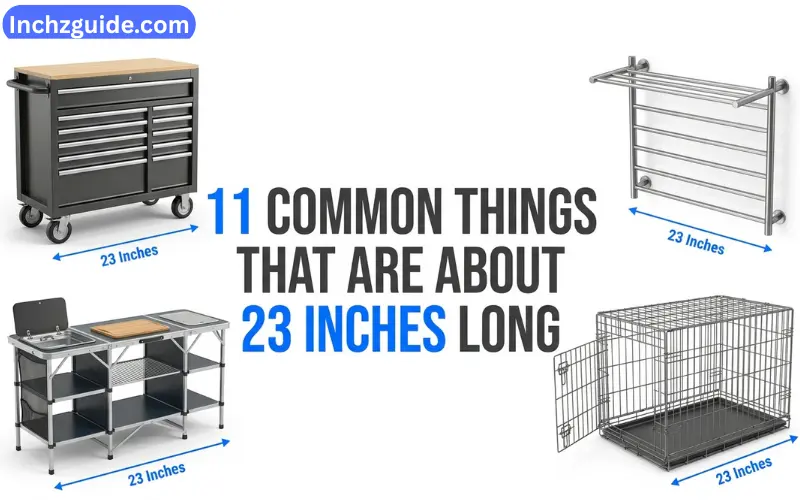
Twenty three inches equals 58.42 centimeters, 584.2 millimeters, or approximately 1.92 feet. This medium-to-large measurement is commonly found in home storage systems, furniture components, outdoor equipment, and utility accessories. Comparing it with familiar objects makes it easier to understand and visualize.
Understanding measurements like 23 inches can be difficult without a visual reference. While the number itself seems simple, it becomes more meaningful when compared with real-world objects that we use in daily life.
Many household, outdoor, and storage-related items are designed around this size because it provides a practical balance between usability and space efficiency. By comparing 23 inches with familiar objects, it becomes much easier to estimate its actual length.
Compare with 22 Inches GuideWhat Is 23 Inches?
An inch is a standard unit of length used mainly in the United States and a few other regions. Since 1 inch equals 2.54 centimeters, 23 inches converts to 58.42 centimeters.
This measurement falls into a medium-large category and is commonly used in storage solutions, furniture parts, and utility equipment where slightly extended length is required.
How Big Is 23 Inches?
Twenty-three inches is approximately 1.92 feet, which is slightly less than 2 feet.
It is long enough to be noticeable in everyday objects but still manageable for handling, storage, and portability. Because of this balance, many functional household and utility products are designed around this size.
Why Measuring 23 Inches Matters
Knowing how big 23 inches is can make everyday decisions easier, especially when shopping online or planning space usage.
It helps in:
- Estimating product sizes accurately
- Avoiding measurement mistakes
- Planning furniture and storage layouts
- Understanding product specifications without a ruler
Quick Conversion Table for 23 Inches
| Measurement | Equivalent |
|---|---|
| 23 Inches | 58.42 centimeters |
| 23 Inches | 584.2 millimeters |
| 23 Inches | 1.92 feet |
| 23 Inches | 0.584 meters |
| 23 Inches | 23 inches |
Where Is 23 Inches Commonly Used?
- Home storage systems
- Furniture components
- Laundry and organization stations
- Outdoor equipment
- Display and shelving units
- Garden structures
- Utility tools and racks
- Workshop equipment
11 Real-Life Objects That Are About 23 Inches Long
If you’re wondering how long 23 inches really is, real-life objects make it instantly easy to visualize. Instead of guessing from numbers, comparing it with everyday items gives you a clear and practical sense of its actual size.
23 inches is a common medium-large measurement found in household, furniture, storage, and utility products that are designed for daily use and convenience. It appears often in real-world items you see at home, in offices, and outdoors.
Below are 11 real-life objects that are about 23 inches long, helping you quickly understand and visualize this measurement with simple everyday comparisons.
1. Large Rolling Tool Chest Drawer Width
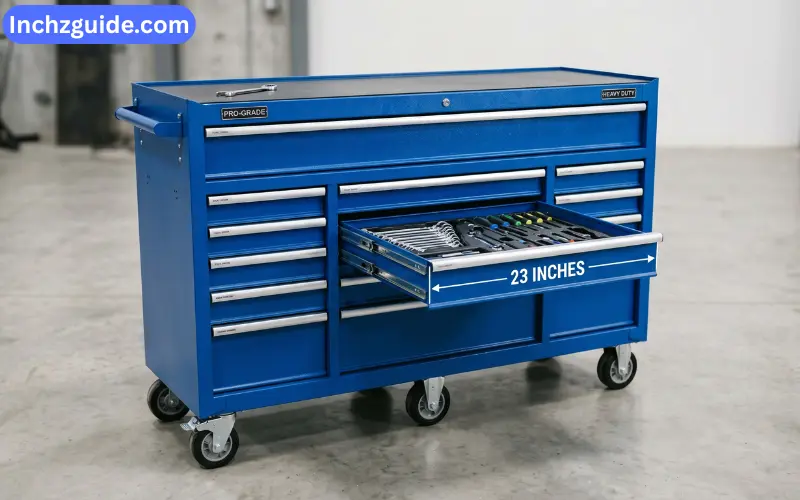
Many tool storage chests have drawers that measure close to 23 inches in width. This size allows enough space to organize hand tools, power accessories, and small equipment while still fitting neatly into garage storage systems.
2. Wall Mounted Towel Drying Bar Length (Extended Type)
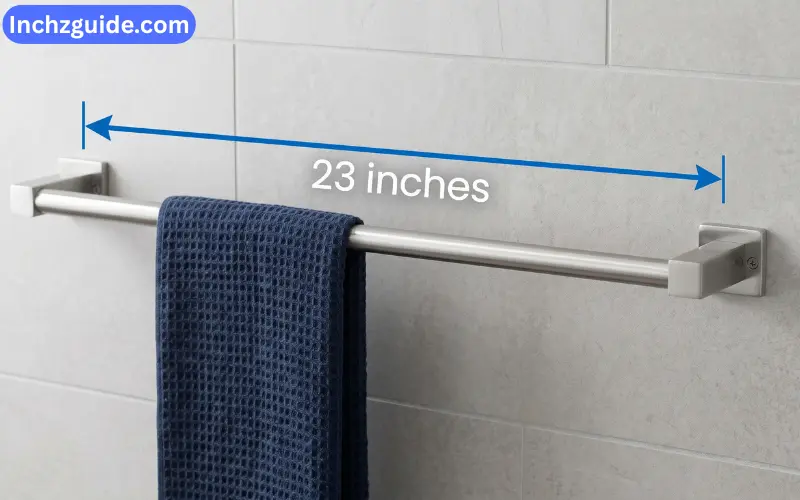
Extended towel bars used in bathrooms or laundry areas often reach around 23 inches in length. This provides enough hanging space for multiple towels while maintaining a compact wall footprint.
3. Foldable Camping Kitchen Table Width
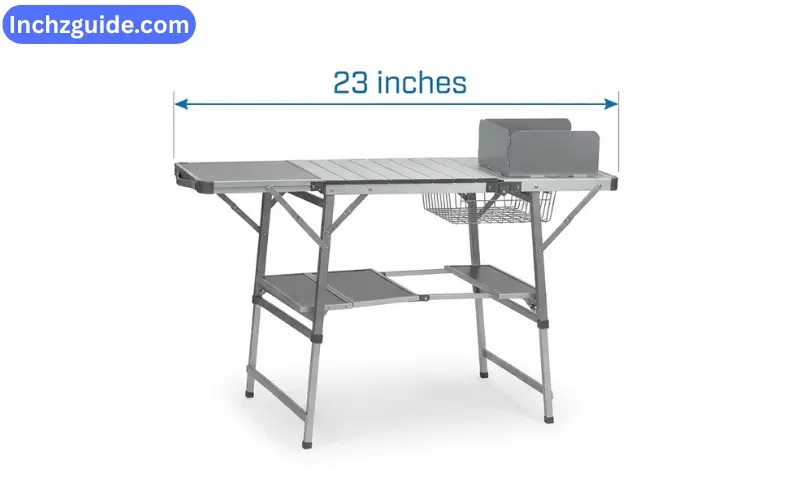
Portable camping kitchen tables frequently measure about 23 inches wide. This size is ideal for food preparation, lightweight cooking setups, and outdoor storage without taking up too much campsite space.
4. Medium Dog Crate Side Panel Height
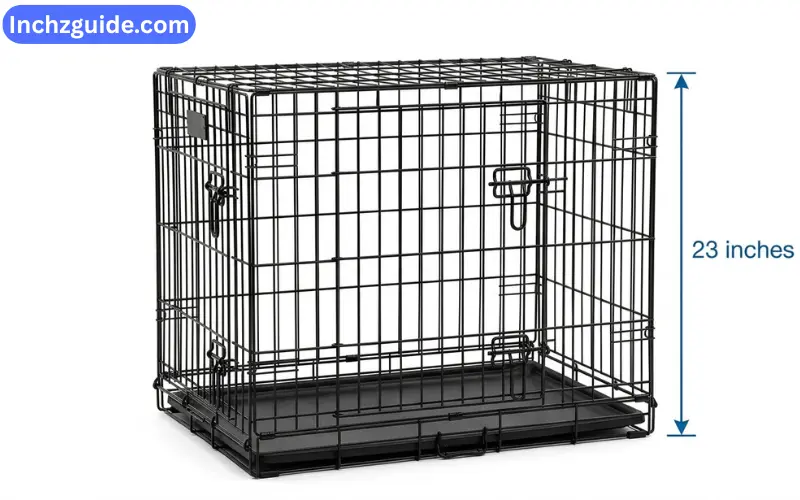
Dog crates designed for medium-sized pets often feature side panels close to 23 inches in height. This ensures proper ventilation, visibility, and comfort while maintaining safety.
5. Decorative Wall Mirror Frame Width
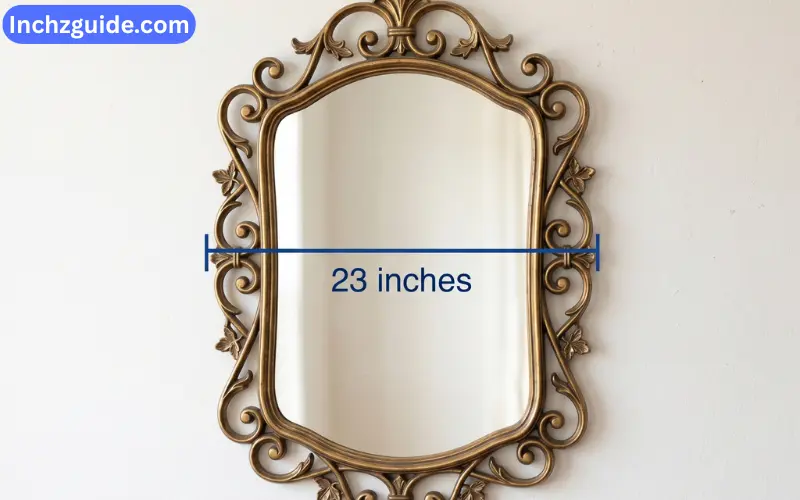
Small to medium decorative mirrors commonly have frame widths around 23 inches. This makes them suitable for hallways, bedrooms, or entryways where balanced wall proportion is important.
6. Portable Folding Workbench Top Width
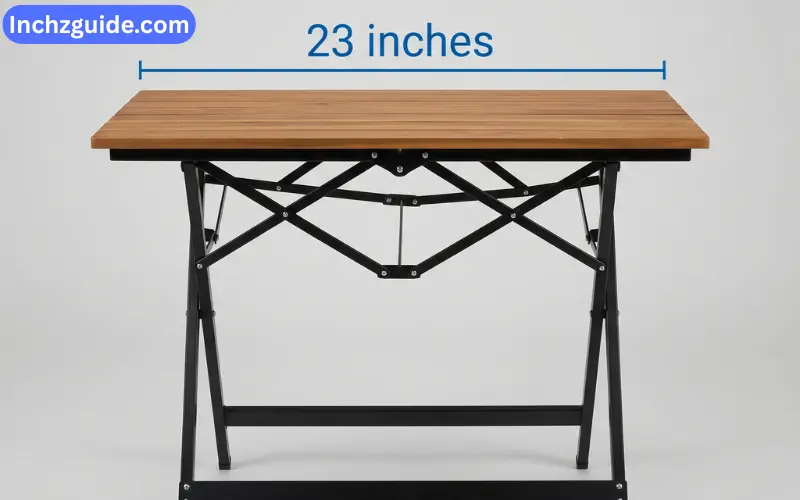
Compact folding workbenches used for DIY tasks often have a top width of approximately 23 inches. This provides a stable working surface while remaining easy to store when not in use.
7. Garden Plant Support Arch Base Width
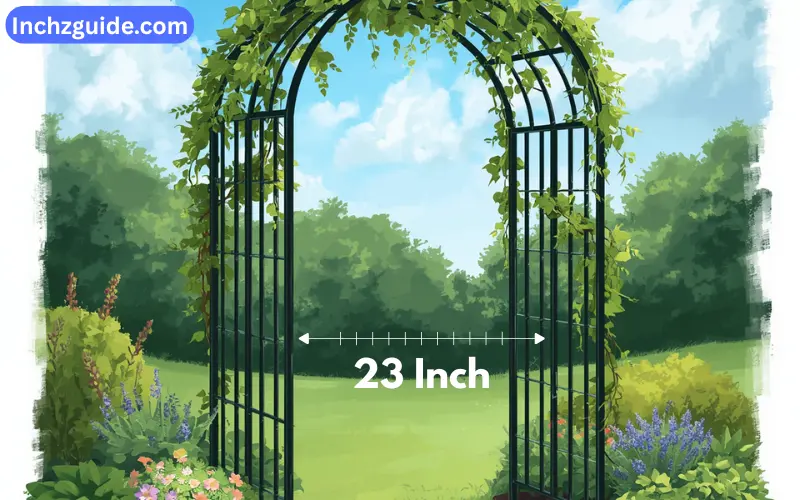
Garden support arches and plant trellises frequently measure around 23 inches at the base. This width ensures stability for climbing plants and decorative garden arrangements.
8. Laundry Folding Station Board Width
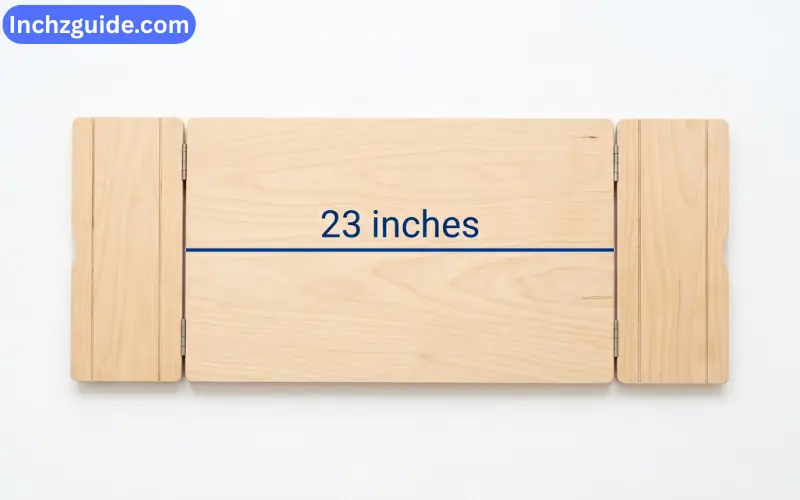
Folding boards used for organizing clothes in laundry areas often come close to 23 inches in width. This allows efficient folding of shirts, towels, and garments with uniform results.
9. Compact Display Rack Shelf Length (Retail Type)
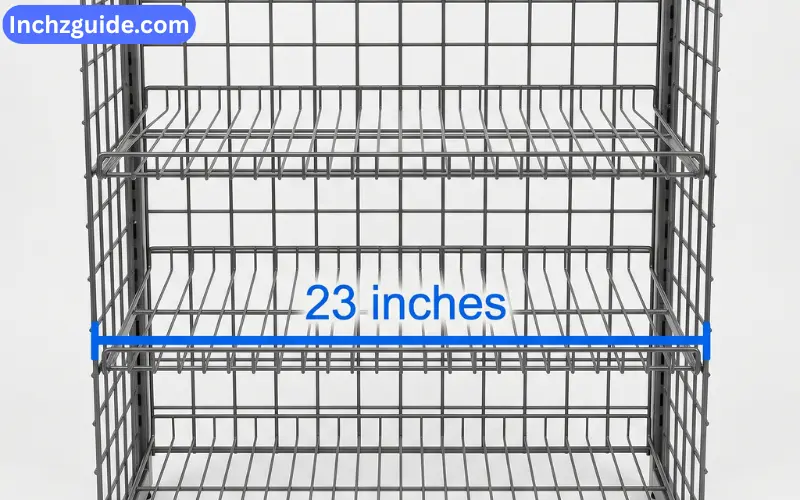
Retail display racks commonly use shelves around 23 inches long. This size helps showcase products neatly while maintaining efficient use of retail space.
10. Outdoor Picnic Table Bench Seat Length
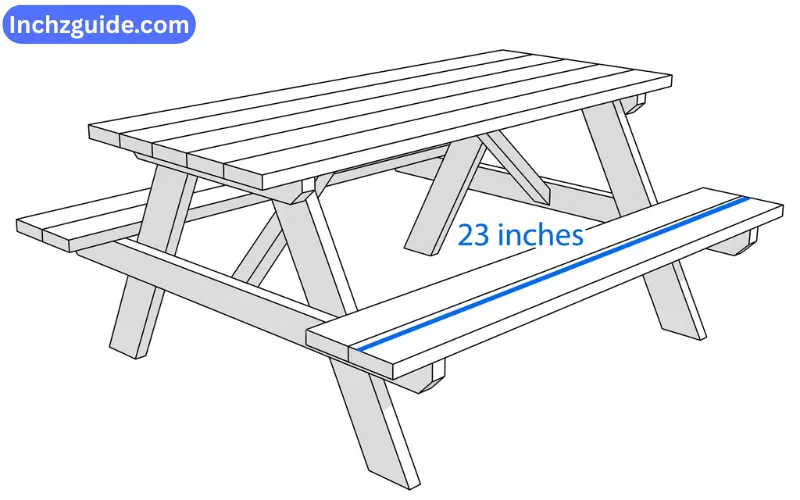
Small picnic benches often measure about 23 inches in seat length per section. This makes them suitable for portable outdoor seating arrangements and compact picnic setups.
11. Adjustable Storage Ladder Shelf Height Section
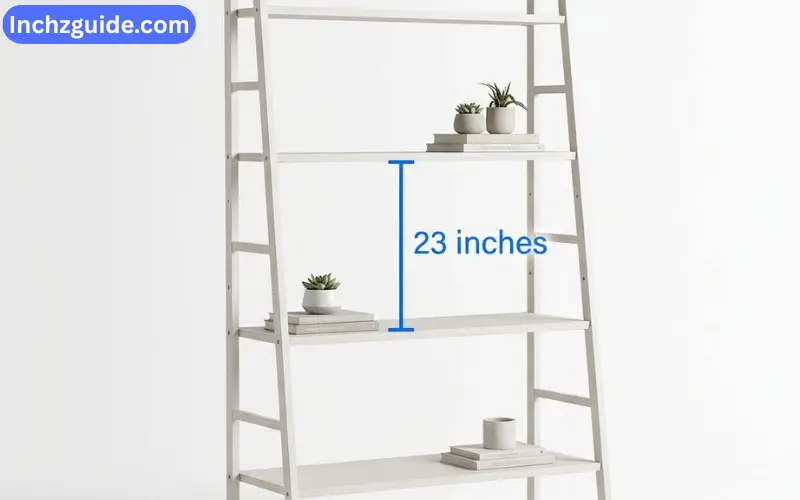
Ladder-style storage shelves often have individual sections or tiers close to 23 inches in height. This spacing allows storage of books, plants, and decorative items without overcrowding.
Related Size Guides
22 Inches Guide 21 Inches Guide 20 Inches GuideCommon Uses of 23 Inches in Everyday Life
Twenty-three inches is a practical measurement that appears across many everyday products. It is long enough to provide useful space but still compact enough for easy handling, making it common in both home and outdoor applications.
Common Applications of 23 Inches
| Category | Common Examples |
| Storage Systems | Tool drawers, folding workbenches |
| Furniture | Mirror frames, bench sections |
| Outdoor Use | Camping tables, picnic benches |
| Garden Equipment | Plant supports, trellises |
| Laundry & Home | Folding stations, towel bars |
| Retail Display | Shelf racks, product stands |
How to Measure 23 Inches Without a Ruler
If you don’t have a measuring tape, you can estimate 23 inches using simple references. Since 23 inches is approximately 1.92 feet, it is slightly less than two feet in length.
A standard ruler is 12 inches long, so combining one full ruler plus nearly another full ruler gives you a close visual estimate of 23 inches. Many household items like storage boards, small tables, or bench sections can also help you approximate this size.
22 Inches vs 23 Inches
Although the difference between 22 and 23 inches is only one inch, it can still affect usability in storage, furniture spacing, and equipment design.
Comparison Table
| Measurement | Centimeters | Feet | Common Uses |
| 22 Inches | 55.88 cm | 1.83 ft | Pet accessories, home organization |
| 23 Inches | 58.42 cm | 1.92 ft | Furniture parts, storage systems, outdoor equipment |
This small difference becomes noticeable in compact designs where every inch matters.
See the Difference Between 22 and 23 InchesFAQs
How long is 23 inches in centimeters?
Twenty-three inches equals 58.42 centimeters.
Is 23 inches equal to 2 feet?
No, 23 inches is approximately 1.92 feet, slightly less than 2 feet.
Is 23 inches considered large?
It is considered a medium-to-large measurement commonly used in furniture and storage products.
What are some common objects that are about 23 inches long?
Examples include tool drawers, folding workbenches, mirror frames, camping tables, and towel bars.
How can I estimate 23 inches without a ruler?
You can use a 12-inch ruler twice (almost two rulers) or compare it with medium household items like boards and benches.
Why is understanding 23 inches useful?
It helps in shopping, planning spaces, and visualizing product dimensions more accurately.
Conclusion
Twenty-three inches equals 58.42 centimeters or approximately 1.92 feet, making it a practical measurement used widely in furniture, storage systems, and outdoor equipment.
By comparing it with real-life objects, it becomes much easier to visualize its actual size without needing a measuring tape. This helps improve decision-making in shopping, organizing, and planning everyday spaces.
Pingback: 13 Real-Life Objects That Are About 26 Inches - InchzGuide